



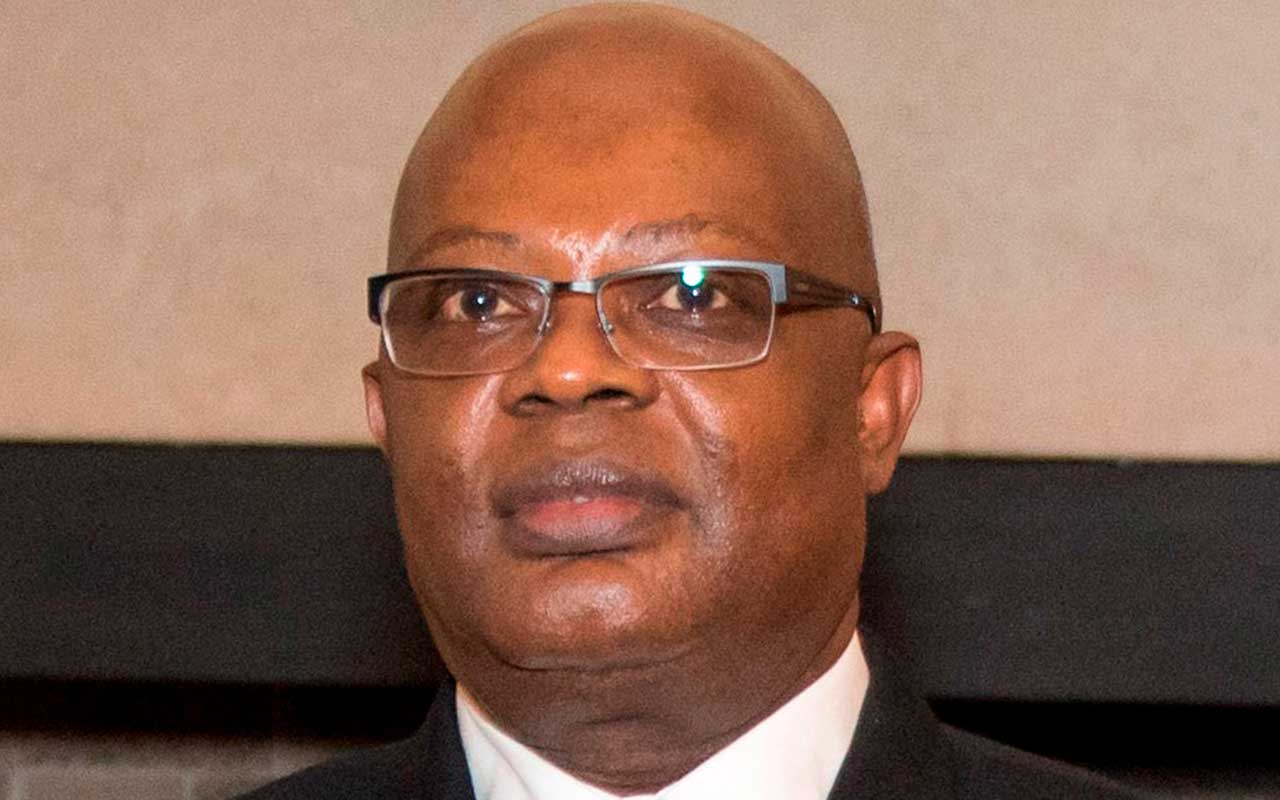
The Socio-Economic Rights and Accountability Project (SERAP) has urged an investigation into the financial management of former Sole Administrator of Rivers State, Vice Admiral Ibok-Ete Ibas (retd), particularly in relation to more than N254.37 billion he reportedly received from the Federation Account between March and August 2025.
In a Freedom of Information (FoI) request, the advocacy group asked Ibas to provide a detailed account of how the allocations were spent, including an alleged N22 billion earmarked for the installation of CCTV cameras at the State House. SERAP stressed that such disclosure is crucial to enhancing accountability, preventing corruption, and ensuring that public funds are managed responsibly.
The group further noted that its demand is backed by the Freedom of Information Act, Section 39 of the Nigerian Constitution, Article 9 of the African Charter on Human and Peoples’ Rights, and Article 19 of the International Covenant on Civil and Political Rights—all of which guarantee citizens the right to access government-held information. It added that the period of emergency rule in Rivers State should not serve as a cover for secrecy in financial dealings.
Meanwhile, a chieftain of the All Progressives Congress (APC), Eze Chukwuemeka Eze, dismissed the state Assembly’s probe of Ibas, describing it as a hoax. He argued that no such inquiry could be completed without implicating President Bola Tinubu, and questioned the capacity of the Rivers State Assembly to thoroughly investigate the matter.
The probe was announced during the Assembly’s first sitting following the lifting of emergency rule by the President. However, Ibas has already rejected the plan to scrutinize expenditures under his leadership. He administered the state from March until September 17, 2025, when he handed power back to the civilian government.
During his six-month tenure, Rivers State received about N254.37 billion in allocations, with more than half of the amount derived from oil revenues—highlighting the state’s continued reliance on oil for its financial stability.
Credit: Guardian Nigeria
